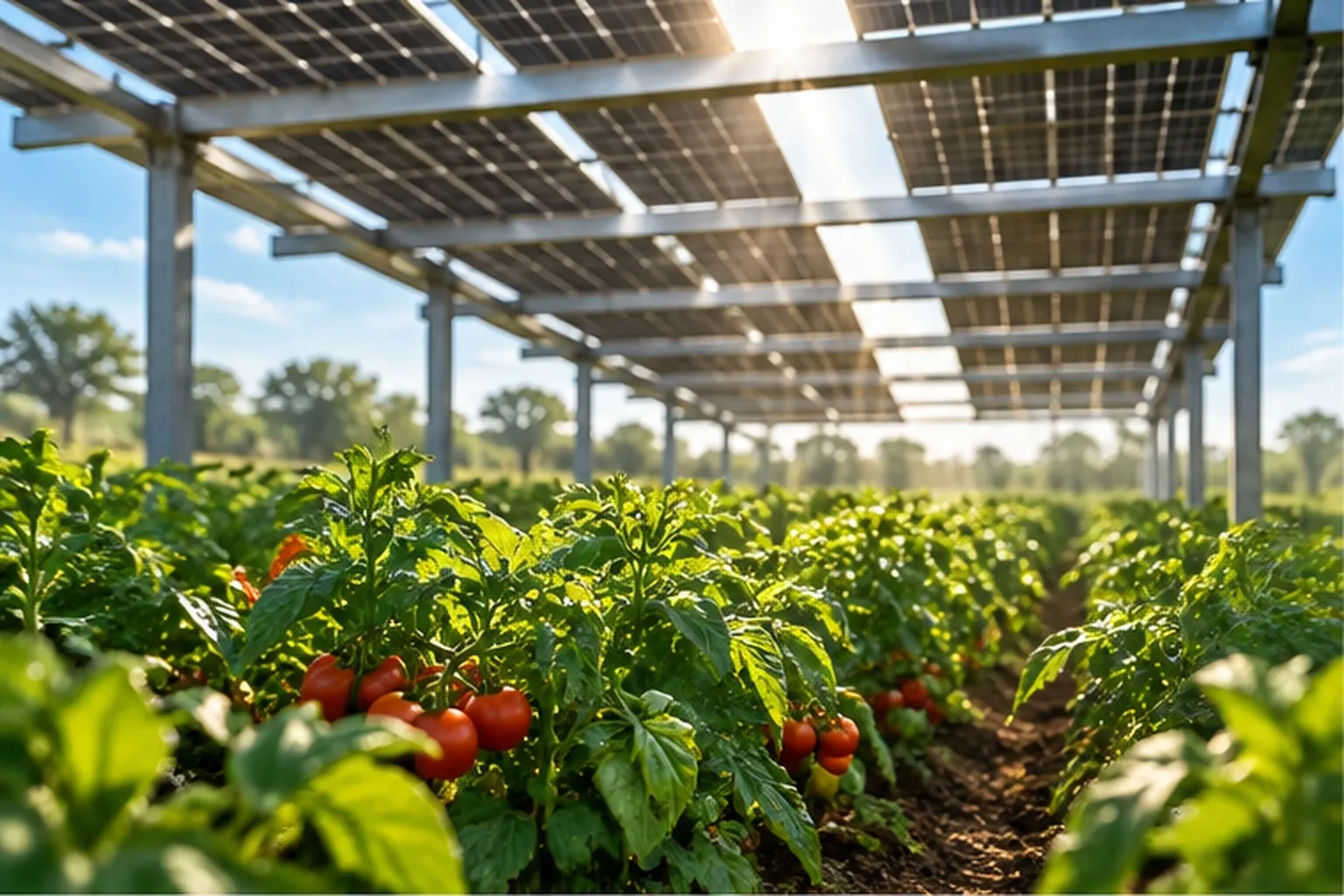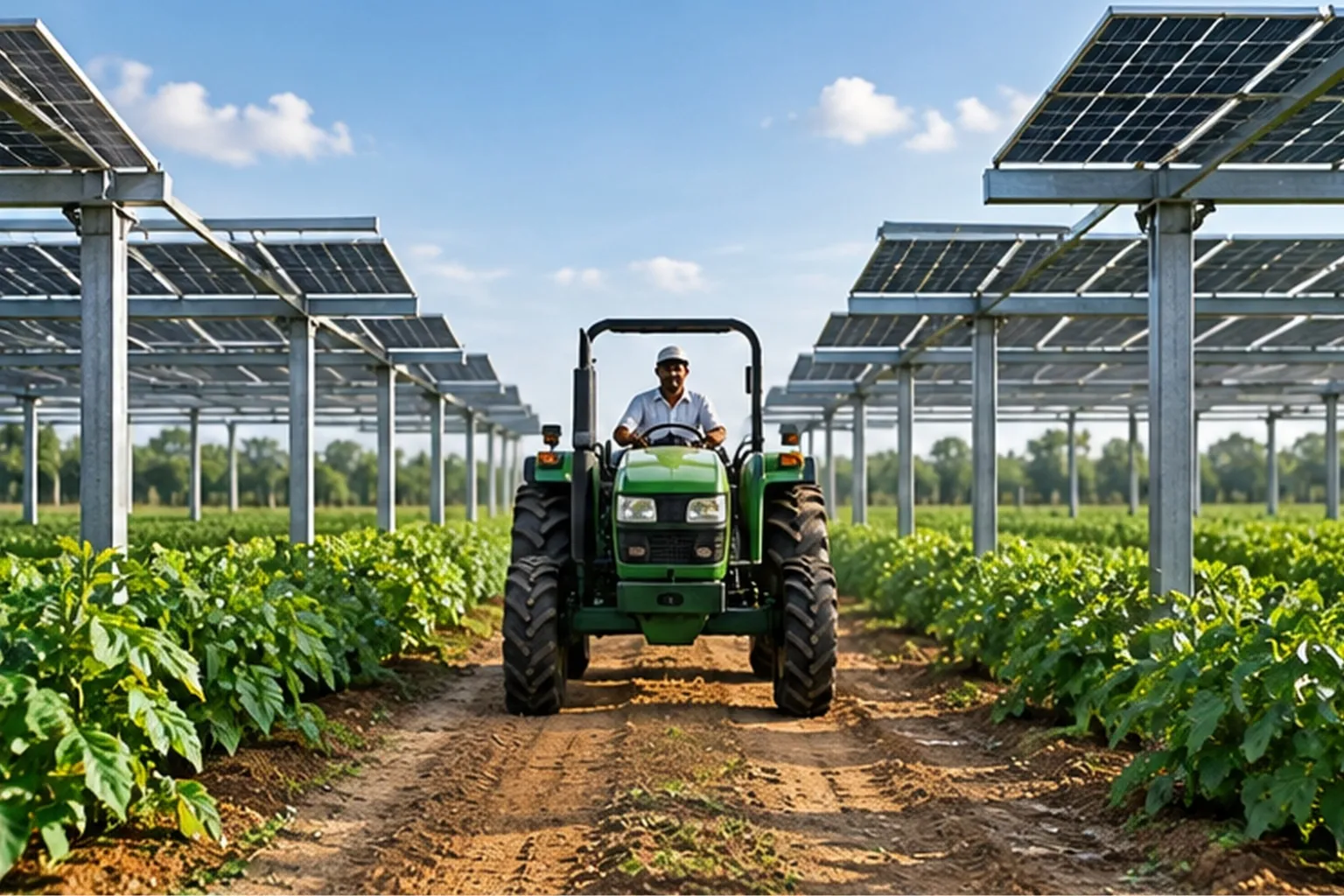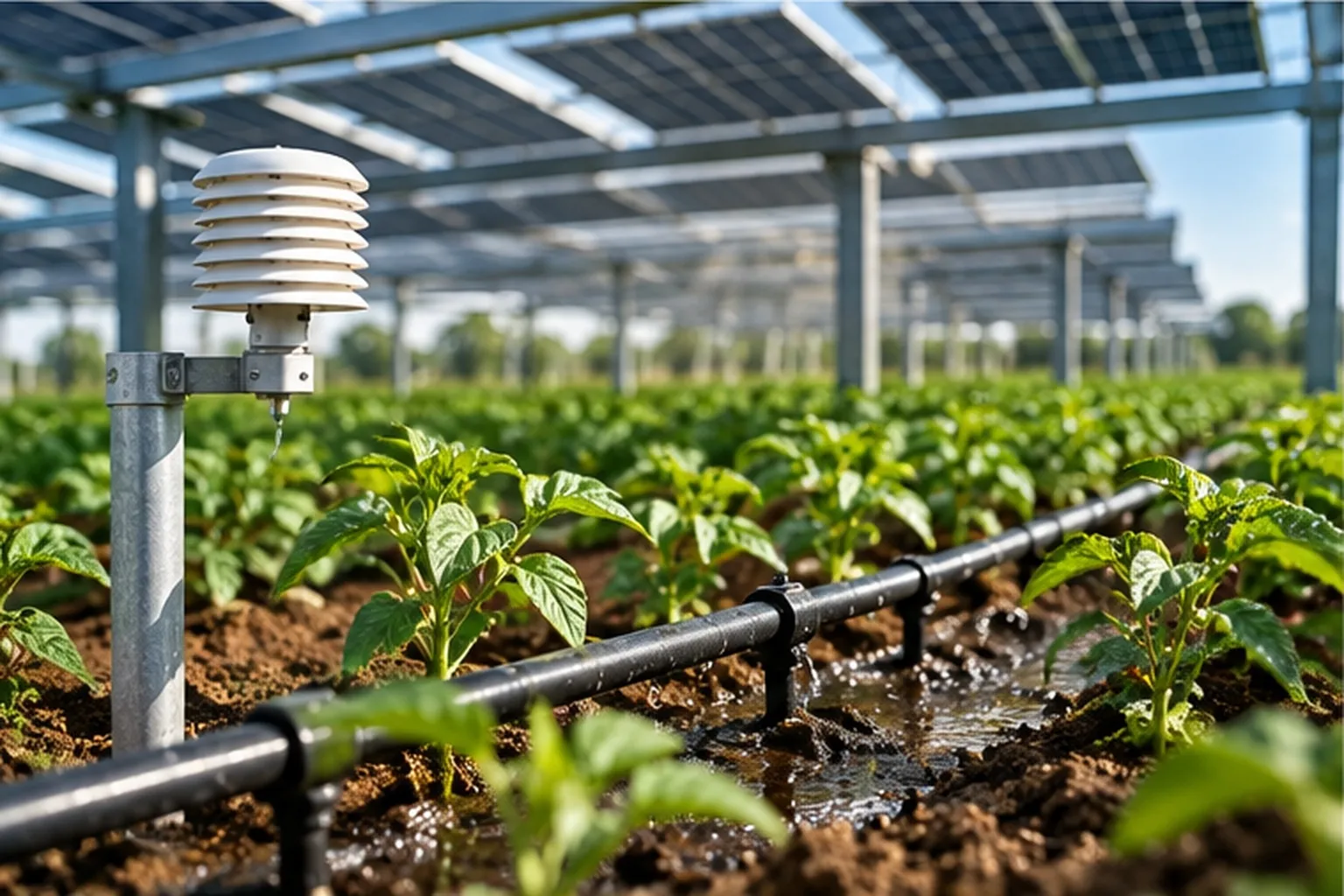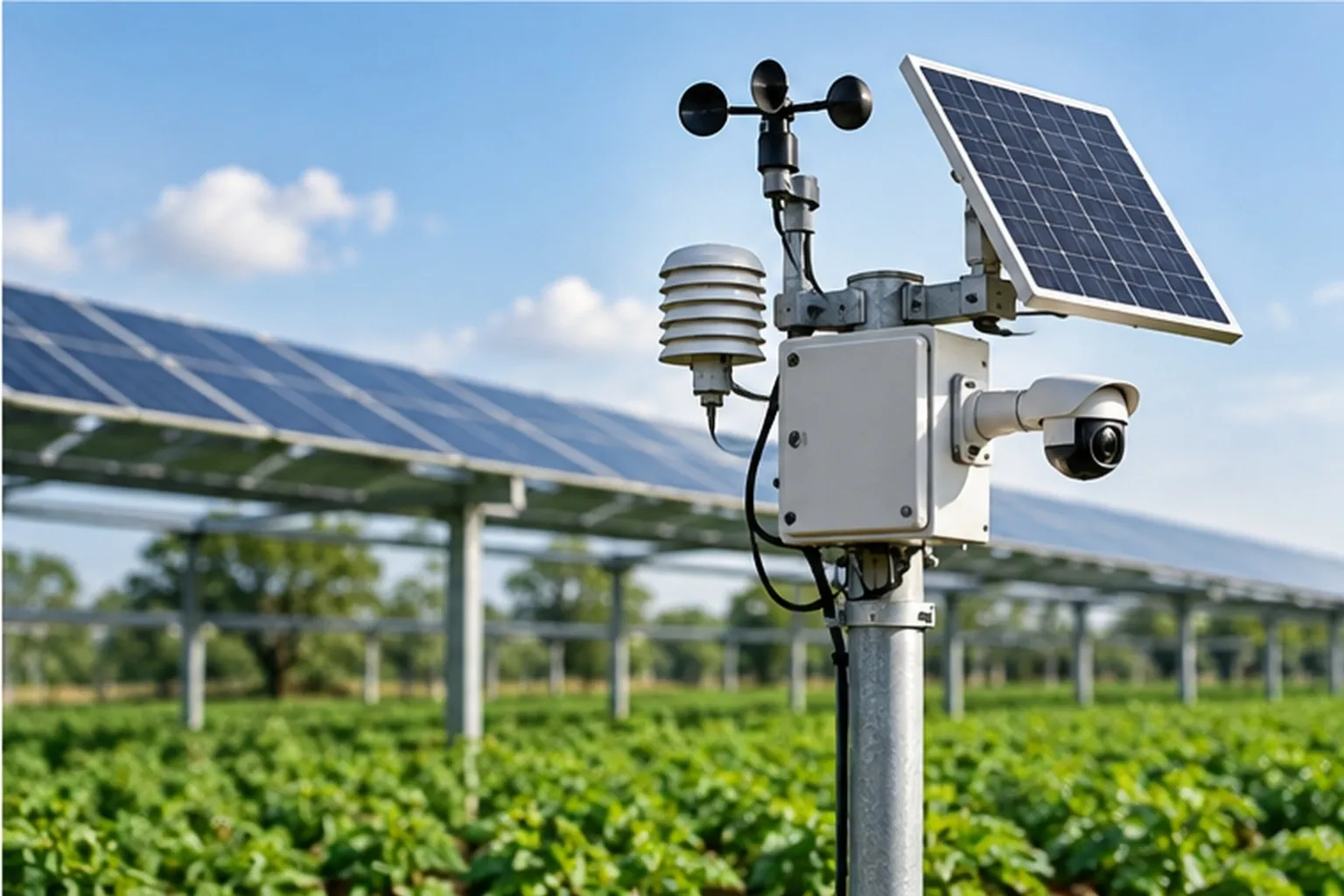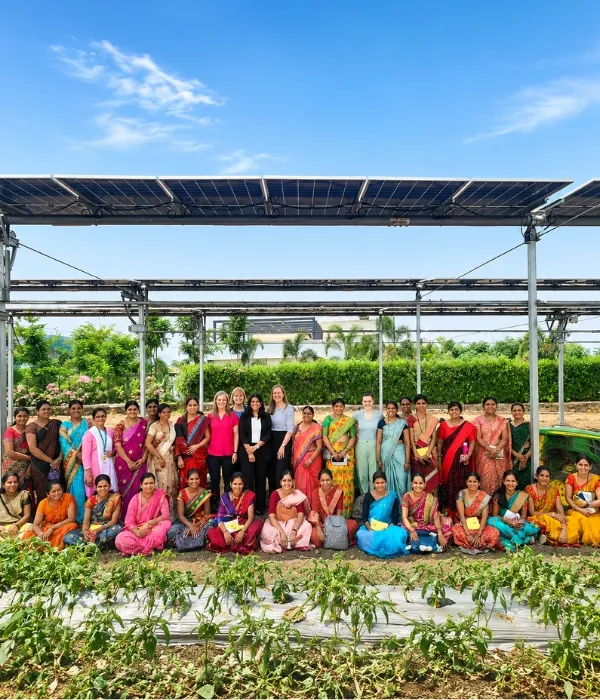
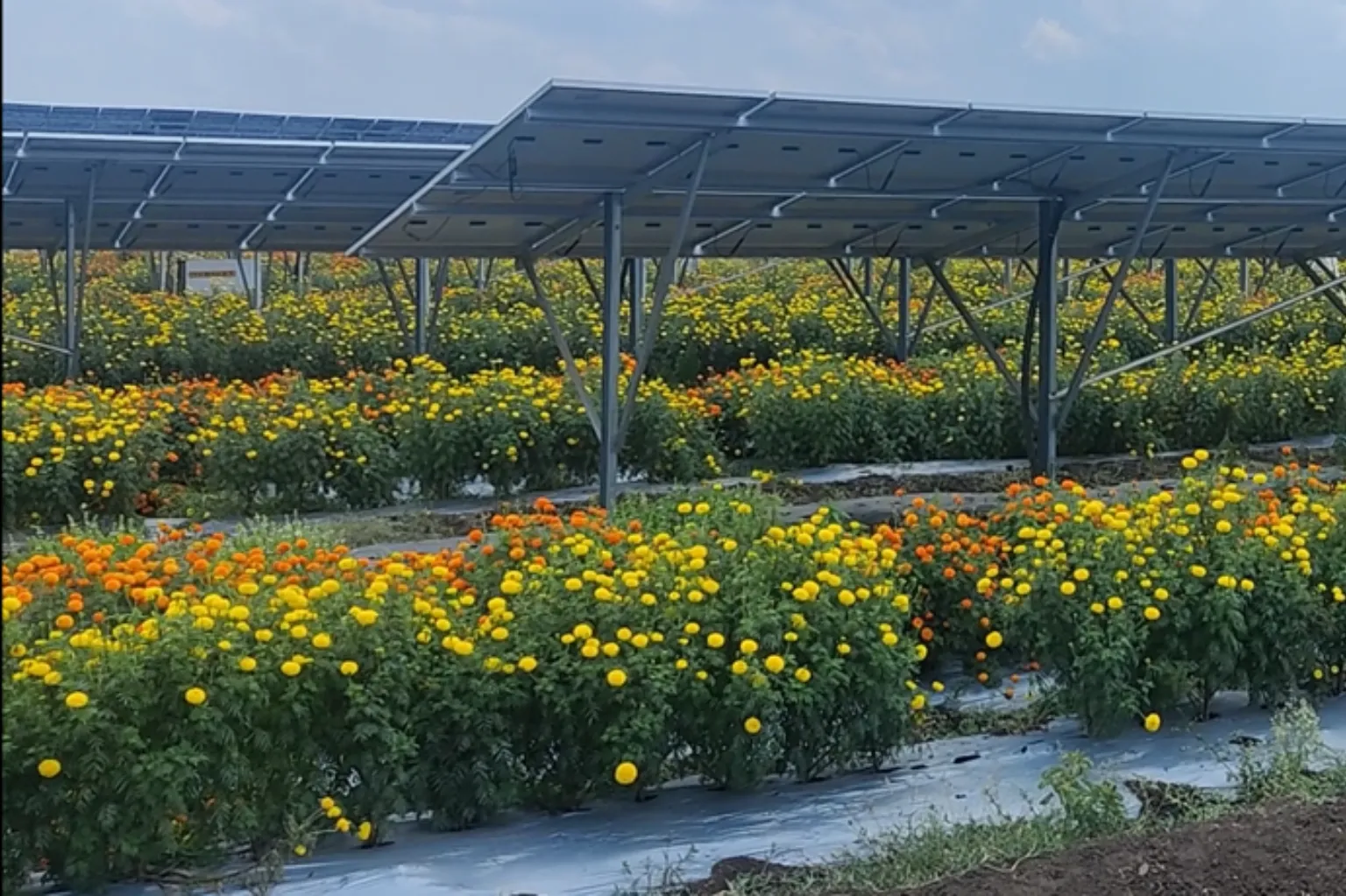
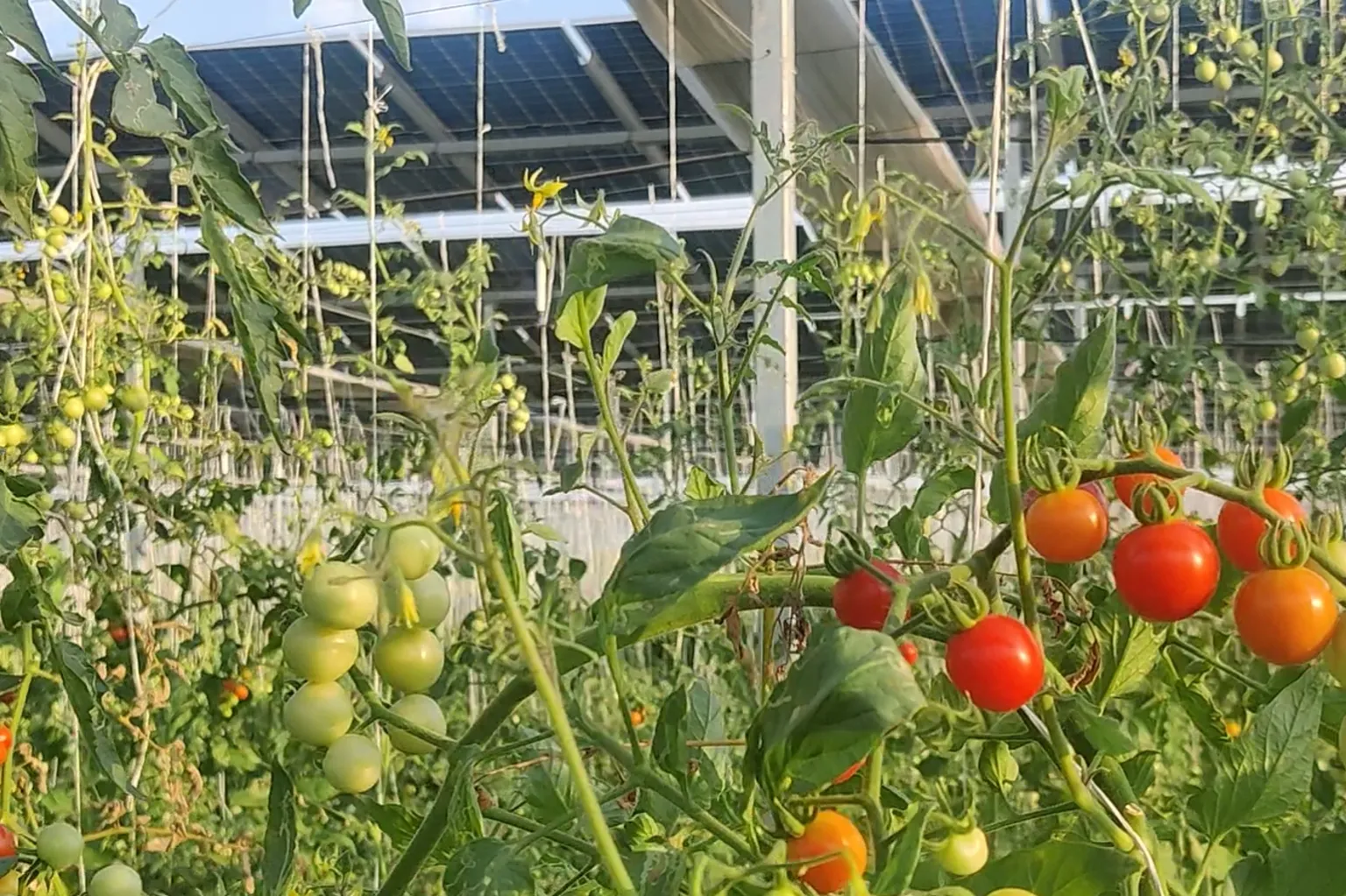
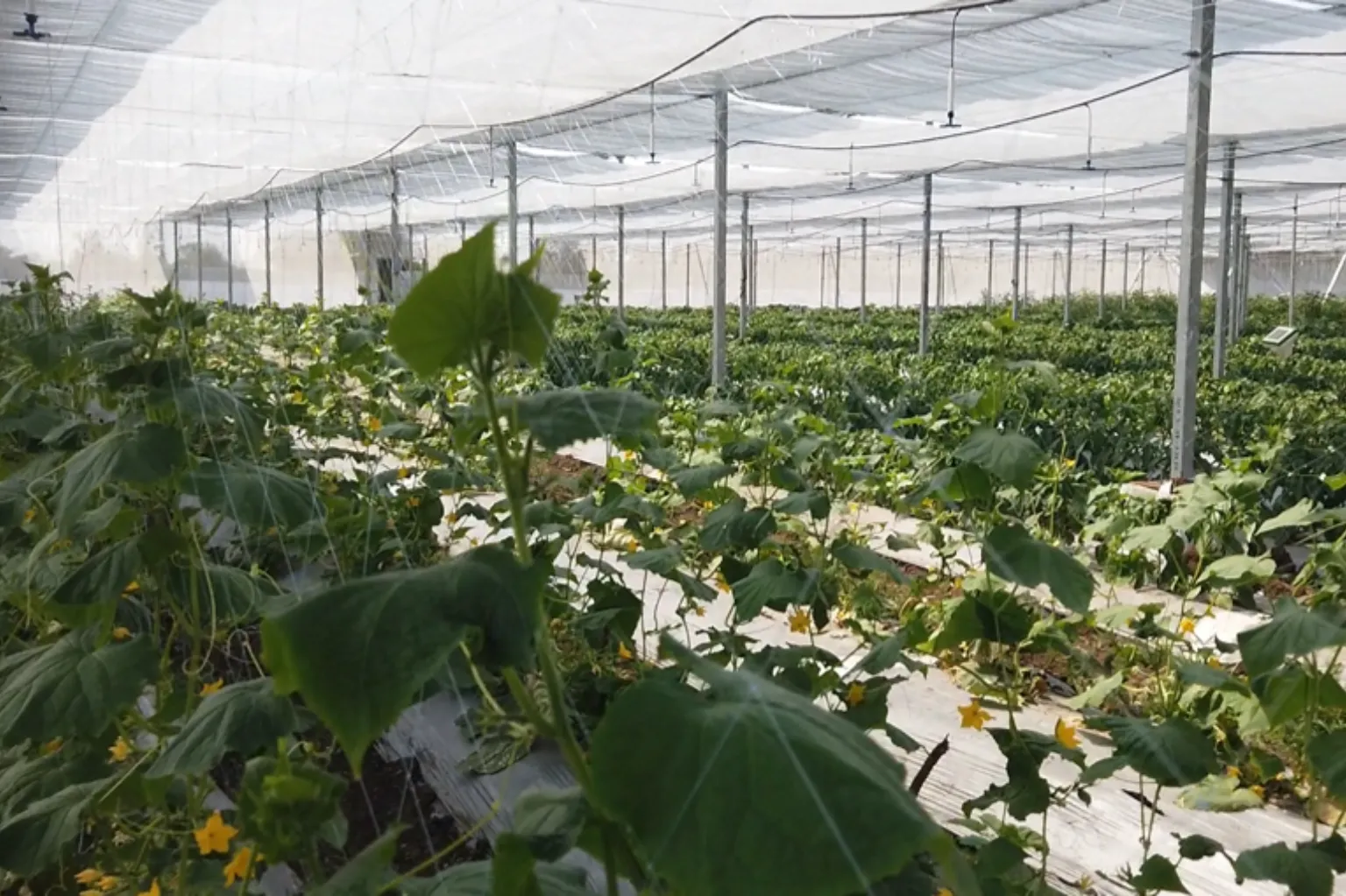
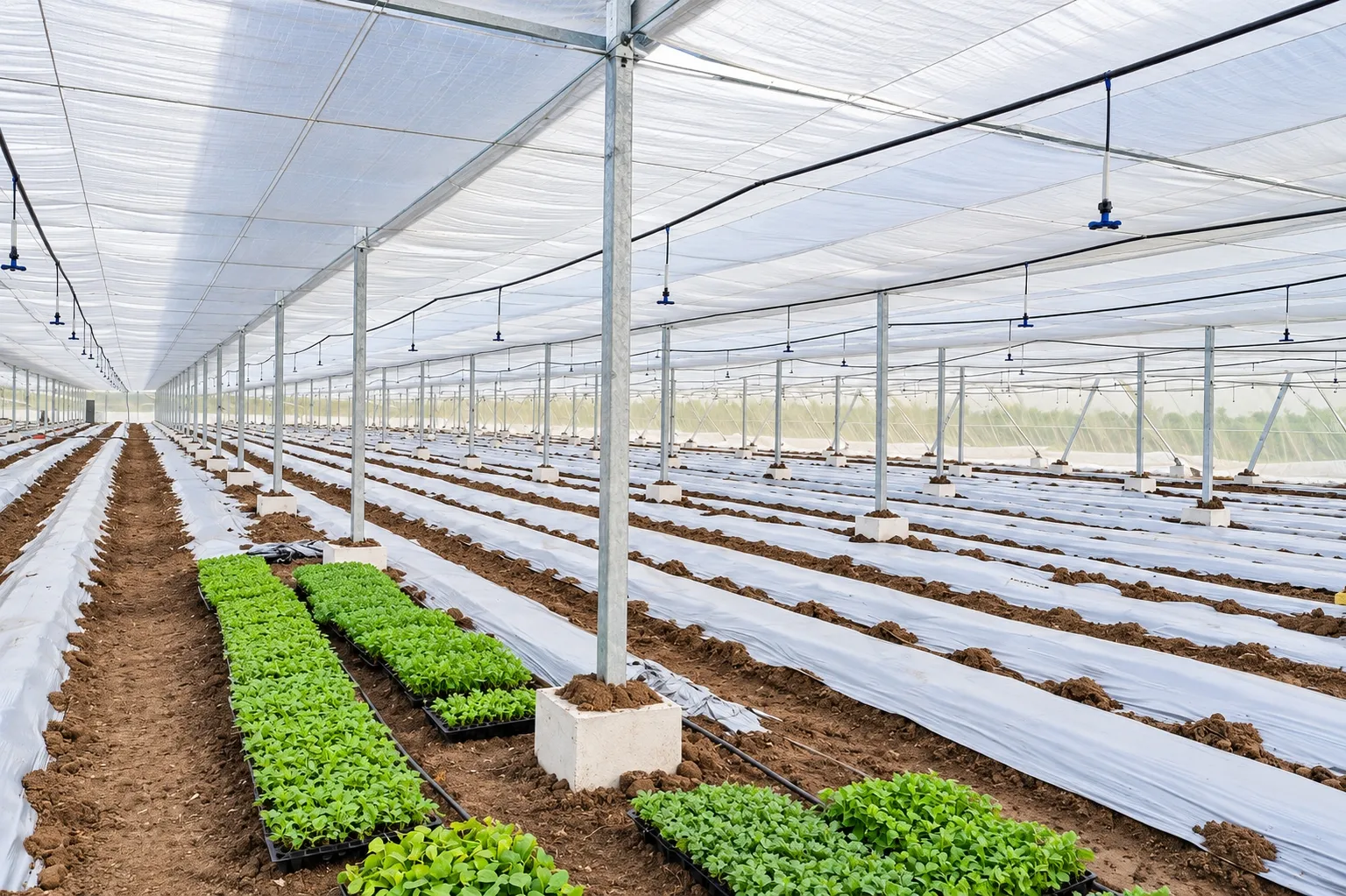


Every SunSeed project is designed to validate new ideas, optimize system performance, and generate insights that make future agrivoltaics projects more efficient, productive, and bankable. From pilot installations to large-scale deployments, our projects combine scientific research, engineering, and technology to create measurable impact.
With SunSeed, agrivoltaics is not complex—it’s intelligent, data-driven, and built for real-world performance. Let’s design productive land together.
Every SunSeed project reflects our commitment to precision, performance, and long-term value. Client experiences don’t just validate our work—they inform and strengthen our approach to agrivoltaics innovation.
“SunSeed brought a level of technical clarity that is critical for agrivoltaics. Their ability to integrate crop science with solar design helped us evaluate project feasibility with confidence.”

“Working with SunSeed significantly reduced uncertainty in our agrivoltaic project planning. Their modelling and design inputs made the project more structured and bankable.”

“SunSeed’s integrated approach to agrivoltaics stands out. Their ability to bridge research with real-world implementation makes them a strong partner in this emerging space.”

“SunSeed’s design inputs provided a clear blueprint for execution. It helped streamline coordination between agriculture requirements and solar infrastructure.”














SunSeed projects are more than installations—they are living laboratories that advance the science of agrivoltaics. Every deployment generates new knowledge, strengthens our technology platform, and helps make future projects more predictable, bankable, and scalable.
Solar energy is electricity generated from sunlight using photovoltaic (PV) panels. These panels absorb sunlight and convert it into direct current (DC), which is then transformed into usable alternating current (AC) by an inverter to power your home or business.
Yes. While the upfront cost may vary, solar systems drastically reduce monthly electricity bills and often pay for themselves within 5–7 years. Many countries also offer incentives, tax credits, or feed-in tariffs to further enhance savings.
Most solar panels are designed to last 25 to 30 years. Even after that, they continue to produce electricity at around 80% of their original efficiency, making them a long-term investment.
Not necessarily. Batteries are optional and allow you to store excess energy for later use or during power outages. Without batteries, your system can still function by exporting excess power to the grid.
Yes. With the right system size and design, solar panels can supply 100% of your energy needs, depending on location, usage patterns, and sunlight exposure.
Builds trust and signals that your team is open, approachable, and responsive to inquiries.