
United by a shared vision, our team combines scientific depth, engineering rigour and field experience.
We work across the full agrivoltaics lifecycle—from research and simulation to design, implementation, farm operations and continuous optimization.
At SunSeed APV, our strength lies in the diversity of expertise that powers our mission. We bring together leaders from the fields of solar engineering, agronomy, plant science, simulation modeling, data intelligence, and project execution under one roof to create a new generation of agrivoltaic solutions.
United by a shared vision of , our team works at the intersection of food, energy, and climate resilience—developing intelligent systems that maximize land productivity while creating long-term value for communities, businesses, and the planet.
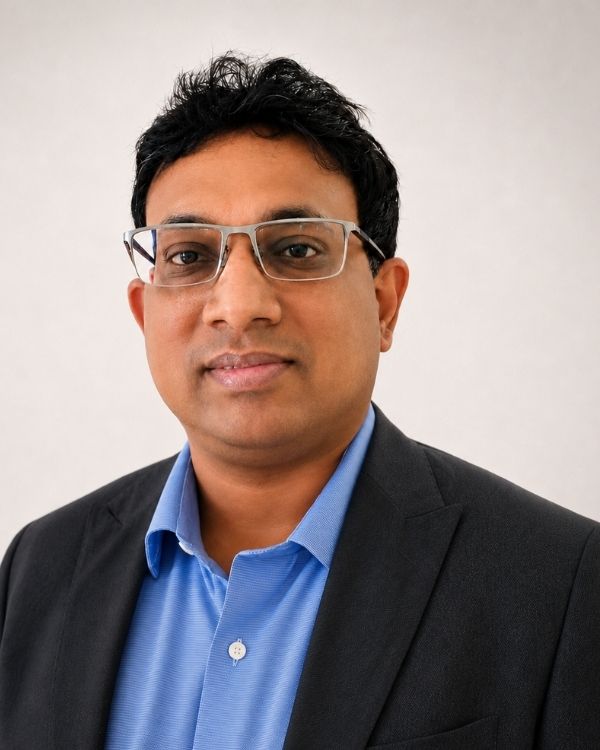
Founder & CEO
Leads strategy, partnerships and capital deployment. Brings more than two decades of experience across finance and solar, with an engineering background from IIT Kanpur and an MBA from Thunderbird, United States.
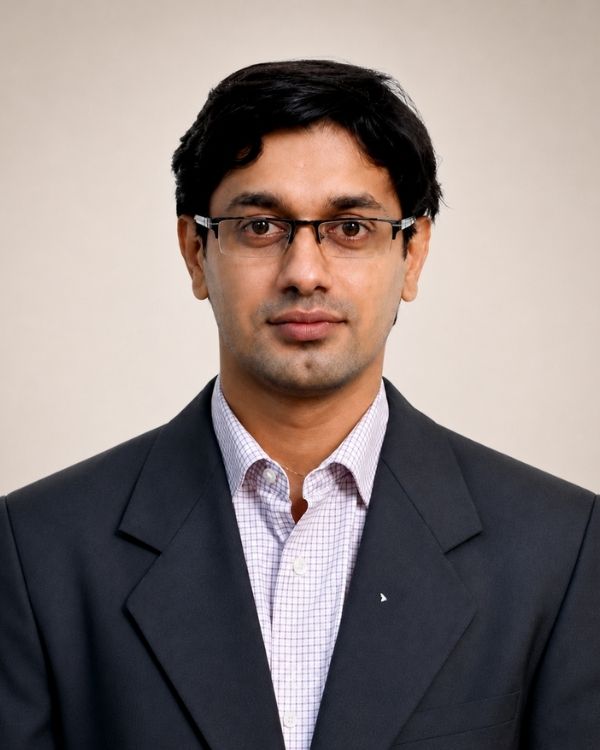
Co-Founder & CTO
Leads technology, product architecture, simulation platforms and structural innovation. Brings more than 15 years of experience in solar technologies and structural engineering, with an engineering background from IIT Bombay.
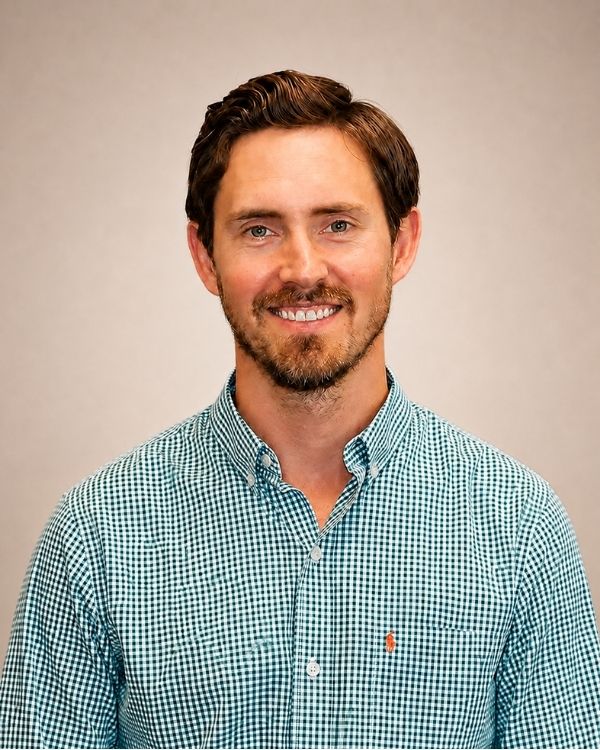
Advisor
Professor of Plant Sciences at the University of California, Davis. Supports advanced plant simulation, crop physiology, 3D crop modelling and the scientific development of next-generation agrivoltaics tools.
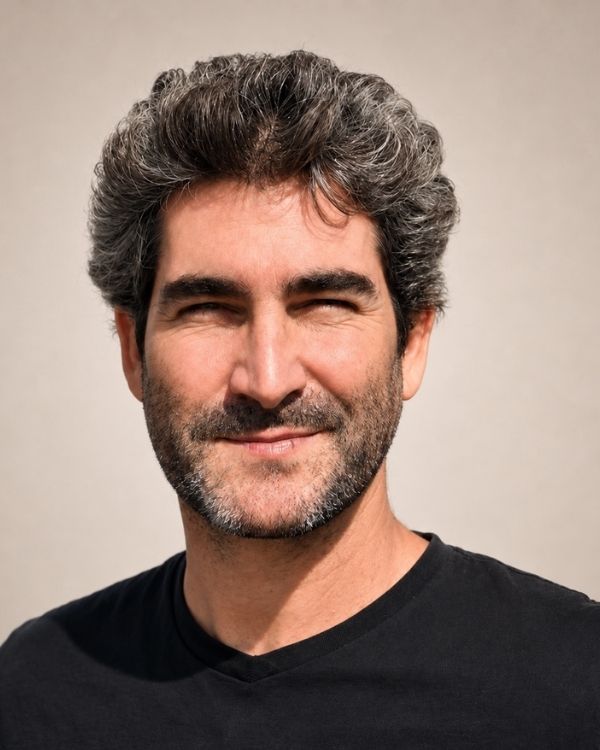
CEO, SunSeed Israel
Leads SunSeed’s Israel presence and supports international APV collaboration. Brings more than 20 years of solar EPC and project-management experience and a civil-engineering background.
Technology and simulation teams convert field and scientific data into models and decision tools.
Engineering teams translate optimised designs into structures and buildable systems.
Agronomy and field teams connect crop physiology to practical cultivation decisions.
Project teams coordinate solar and agricultural infrastructure through one delivery framework.
Research partners strengthen validation, crop databases and future technology development.
Understand crops, climate and system interactions.
Model, optimize and stress-test scenarios.
Design systems for performance and execution.
Capture real-world data and system behavior.
Continuously improve models and outcomes.
A central source of market intelligence, policy development, technology trends, research and investment signals shaping the global APV ecosystem.
Agri-Solar Net House
Focuses on strategy, design, and field validation


Single Axis Tracker
Focuses on modeling, structural integration, and operations.


Rooftop APV Polyhouse
Focuses on integrated engineering and controlled cultivation.


From technology to timelines, find all the key answers in one simple place.
Solar energy is electricity generated from sunlight using photovoltaic (PV) panels. These panels absorb sunlight and convert it into direct current (DC), which is then transformed into usable alternating current (AC) by an inverter to power your home or business.
Yes. While the upfront cost may vary, solar systems drastically reduce monthly electricity bills and often pay for themselves within 5–7 years. Many countries also offer incentives, tax credits, or feed-in tariffs to further enhance savings.
Most solar panels are designed to last 25 to 30 years. Even after that, they continue to produce electricity at around 80% of their original efficiency, making them a long-term investment.
Not necessarily. Batteries are optional and allow you to store excess energy for later use or during power outages. Without batteries, your system can still function by exporting excess power to the grid.
Yes. With the right system size and design, solar panels can supply 100% of your energy needs, depending on location, usage patterns, and sunlight exposure.
Builds trust and signals that your team is open, approachable, and responsive to inquiries.
Invite change-makers to be part of a purpose-driven company shaping tomorrow through clean energy.